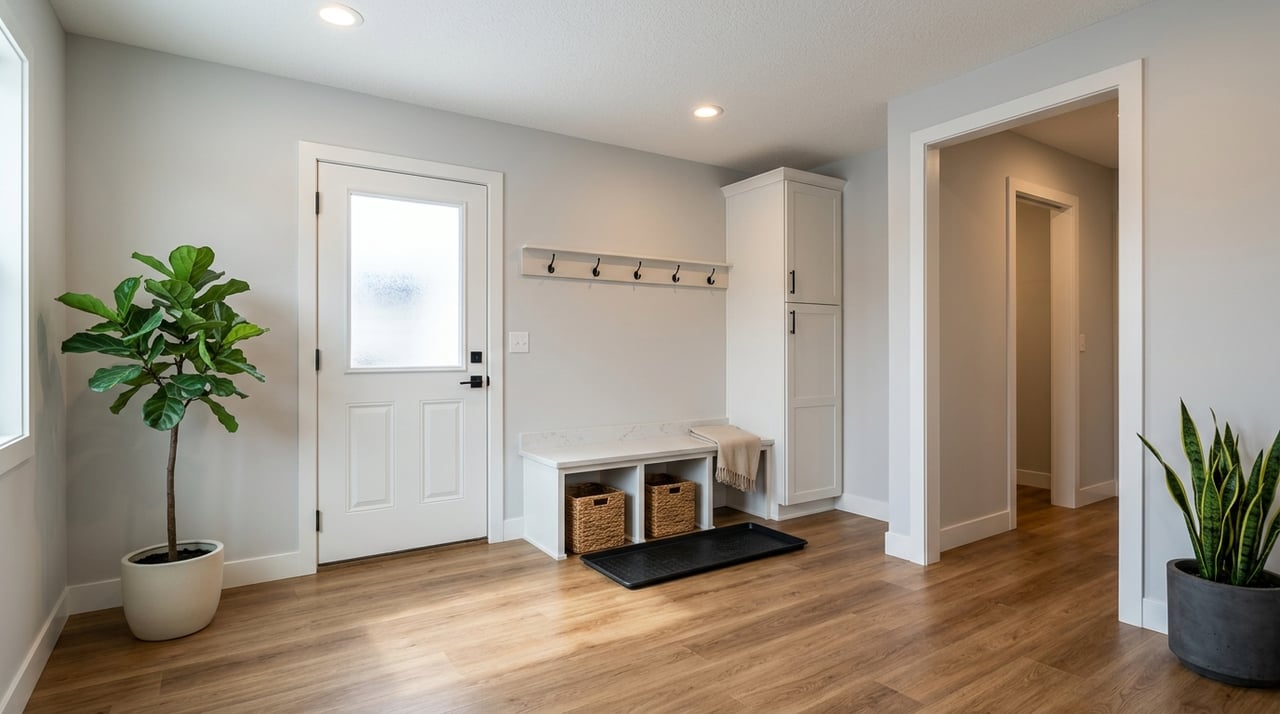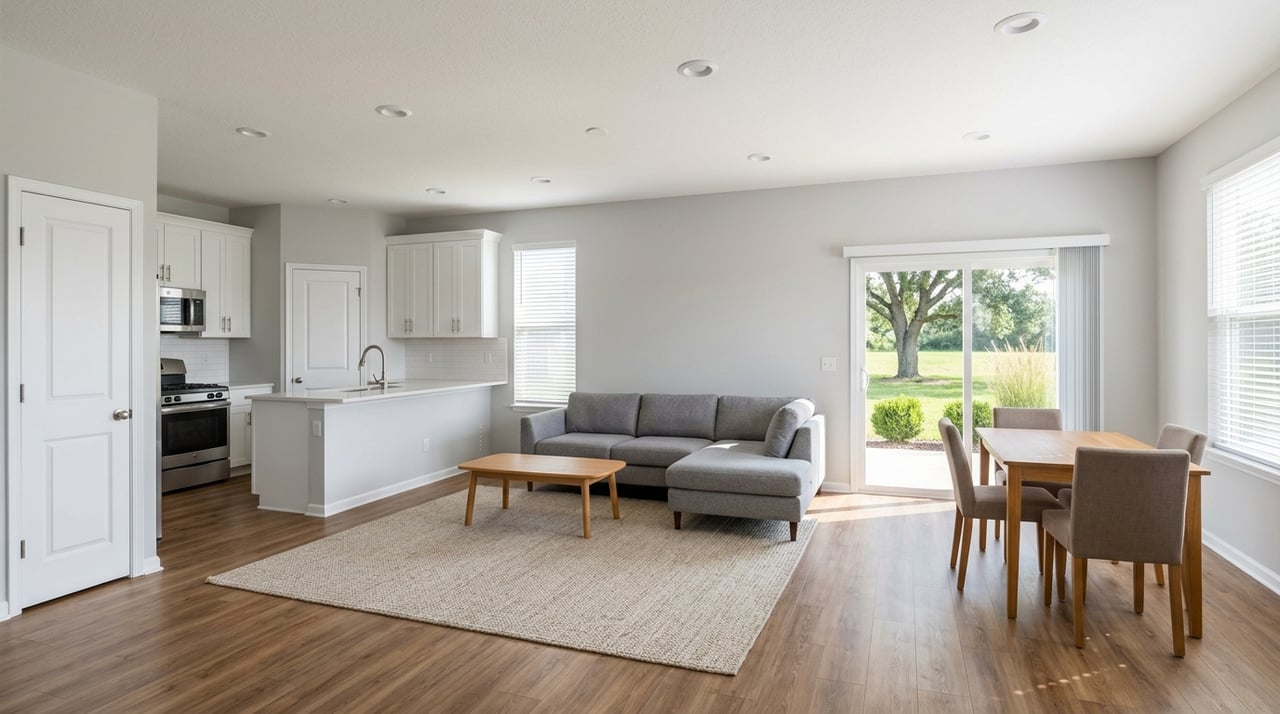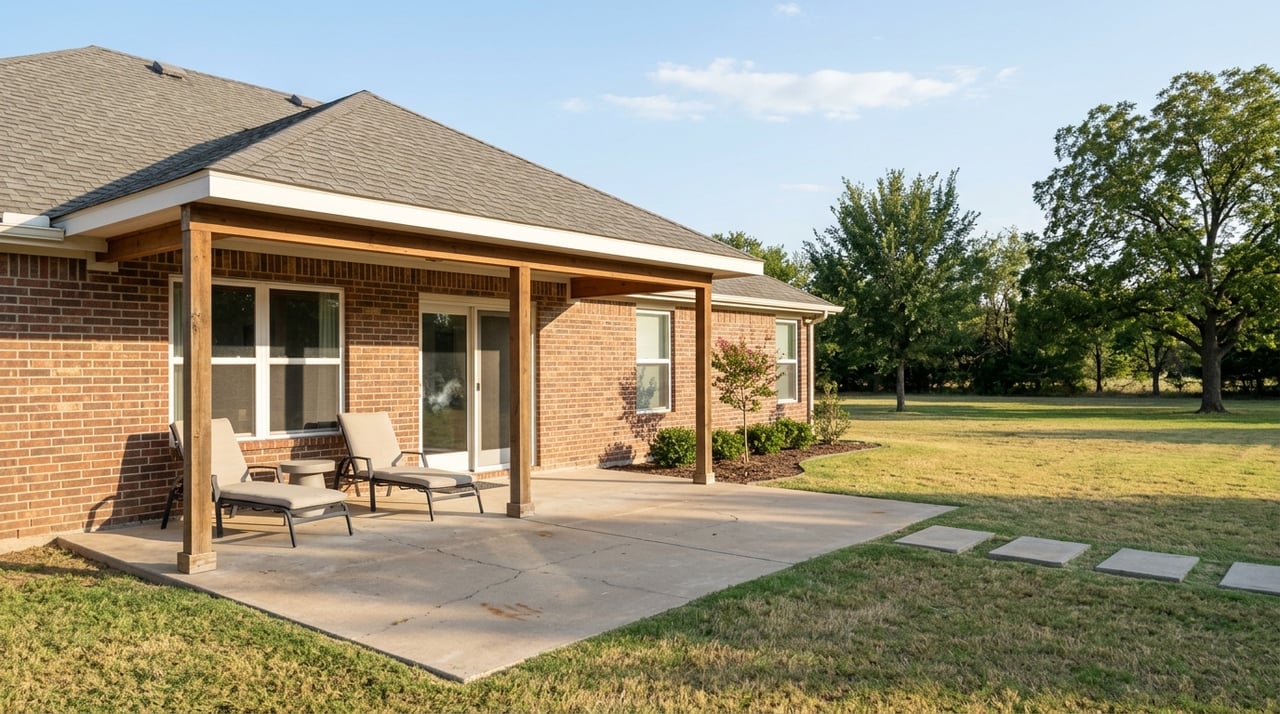
Dreaming of a home where you can spread out, build a shop, add a pool, or just enjoy a little more breathing room? In Piedmont, Oklahoma, that kind of lifestyle is more than a wish list item. It is part of what draws buyers to the area. If you are looking for the balance between open land and everyday convenience, Piedmont offers a strong middle ground. Let’s dive in.
Why Piedmont Fits Backyard Living
Piedmont gives you a different feel than a denser suburb. As of July 1, 2025, the city has an estimated 9,427 residents spread across 43.4 square miles, which works out to about 170.6 people per square mile. That low-density setup helps explain why larger yards, acreage tracts, and outdoor living features are such a natural fit here.
The market also leans strongly toward ownership. About 91.4% of occupied housing units are owner-occupied, and the median owner-occupied home value is $330,100. For buyers and sellers, that points to a community where people tend to put down roots and invest in their properties over time.
Location is another big part of the appeal. Piedmont sits northwest of Oklahoma City and is about 25 minutes from downtown OKC, with access to State Highway 4, the Kilpatrick Turnpike, and the I-35, I-40, and I-44 corridor. That means you can enjoy more land without feeling disconnected from the metro.
What Acreage Living Means in Piedmont
Not every larger lot is the same, and in Piedmont, zoning matters. The city’s zoning code includes several districts that shape what acreage living looks like from one property to the next. If you are shopping for space, this is one of the first things to verify before you fall in love with a property.
A-1 Agricultural District
The A-1 General Agricultural District is intended to preserve agricultural use on the urban fringe until more urban development is warranted. If a property sits in A-1, it may offer the kind of open-land feel many buyers want when they picture a true acreage purchase. It is one of the clearest signs that Piedmont supports a more rural edge in parts of the city.
RE Rural Estate District
The RE district usually covers tracts ranging from 2.5 to 4.99 acres. This district allows a mix of residential and limited agricultural uses, including acreages with farm animals. For buyers who want room to spread out without moving far from city access, RE zoning can be especially attractive.
RE-1 and RE-2 Districts
RE-1, or Medium Size Rural Estates Residential, usually includes lots from 1 to 2.49 acres. The city code states that parcels in RE-1 may use either a public water supply or a private well with a subsurface sewage absorption field, subject to Oklahoma Department of Environmental Quality rules.
RE-2, or Minimum-Size Rural Estates Residential, generally covers parcels from 21,780 square feet to 0.99 acres. In this district, the code ties development to public water plus a subsurface sewage absorption field. These districts show that Piedmont has options between a standard suburban lot and a larger rural tract.
RS-1 Urban Estate Option
RS-1 is also worth knowing if you want extra yard space but not necessarily full acreage. The ordinance describes RS-1 as an urban estate residential district within planned areas of the city. In practical terms, it supports the idea that Piedmont offers larger-lot suburban living alongside true acreage opportunities.
Backyard Projects Buyers Should Plan For
One of Piedmont’s strengths is that outdoor improvements are not unusual here. The city’s permit checklist includes accessory buildings, swimming pools, driveways, and fences 6 feet and taller. If your vision includes a detached shop, a backyard pool, expanded parking, or added privacy, you are looking in the right kind of market.
That said, extra space does not mean a free-for-all. Piedmont states that most construction requires a city contractor’s license, plans, plot plans, and payment before a permit is processed. The city also says work cannot begin until the permit is issued, and inspections are scheduled for the next business day when requested the day before.
For buyers, the takeaway is simple: treat major outdoor improvements as formal projects. If you buy a property for its future potential, make sure you understand what approvals may be needed before you budget for a build.
Common Projects to Ask About
Before you buy, it helps to ask specific questions about the property and your plans, such as:
- Can you add an accessory building or shop?
- Is a swimming pool allowed, and what permit is required?
- Can you install or replace a driveway?
- Do plans for a fence 6 feet or taller need city approval?
- Are there plot plan or inspection requirements for your project?
These questions can save you time and money later, especially on larger lots where owners often want to customize the land.
Utilities and Systems Matter on Larger Lots
Acreage living often comes with more utility questions than a typical subdivision home. In Piedmont, some districts may rely on public water, while others may allow private wells and subsurface sewage absorption fields. That is why the utility setup is just as important as the lot size.
The city’s Utility Department manages water, sewer, trash service, and road maintenance. Piedmont also states that it has a large water and sewer system in and outside the city. Trash service currently uses WCA, and the city provides 95-gallon polycarts and dumpsters, along with spring and fall cleanup days.
If you are comparing properties, ask early whether the home is on public sewer or another approved system. The answer may affect maintenance expectations, future plans, and how you compare one property to another.
When Bigger Parcels Need More Review
Larger lots can offer flexibility, but they can also trigger extra land-use review. Piedmont’s forms include a Five Acres and Larger Plat Checklist/Application, along with applications for lot splits, rezoning, preliminary plats, final plats, floodplain matters, and earth-change work. That is important if you are thinking beyond simple homeownership.
If your long-term plan includes dividing land, changing use, or making major site changes, do not assume the process will match a standard neighborhood lot. Bigger parcels can come with more steps. This is one place where careful planning really matters.
Everyday Convenience Still Counts
A home with space is great, but daily life still needs to work. Piedmont’s appeal comes from blending larger lots and backyard potential with city services and public amenities. That makes it easier to enjoy the lifestyle without giving up convenience.
The city’s Parks and Recreation department lists a community center, splash pad, and neighborhood park, along with local events and activities. For many buyers, that means you can enjoy private outdoor space at home while still having nearby public recreation options.
Piedmont Public Schools includes an early childhood center, three elementary schools, an intermediate school, a middle school, and a high school, plus transportation services and bus routes. If school logistics are part of your move, it is helpful to know the district has a full K-12 feeder structure serving the area.
Property Taxes Can Vary by Location
When you buy in Piedmont, taxes are not just about home price or lot size. Canadian County says property is valued at fair cash value, with an assessment ratio of 12%, and that millage rates vary by school district, municipality, and technology center district. That means two properties with similar features may not carry the same tax bill.
For buyers considering a larger lot or acreage home, it is smart to confirm the tax district early in the process. This is especially important if you are comparing homes on different sides of a boundary line. A good side-by-side review can help you make a cleaner decision.
Smart Questions Before You Buy
If you are serious about backyard or acreage living in Piedmont, go beyond square footage and curb appeal. The right questions can help you avoid surprises and find a property that truly fits how you want to live.
Here are a few smart ones to ask:
- What is the current zoning: A-1, RE, RE-1, RE-2, or RS-1?
- Is the home connected to public water and sewer, or does it use a well or subsurface sewage absorption field?
- What permits would be needed for a shop, pool, driveway, or tall fence?
- Is the parcel size large enough to trigger platting, lot split, or rezoning review?
- Which school zone and tax district apply to the property?
In a market like Piedmont, those details matter because the lifestyle value is often in what you can do with the land after closing, not just what is already there.
Why This Lifestyle Appeals to Buyers
Piedmont stands out because it offers room to live a little wider. You may find space for gardens, pets, outbuildings, recreation, or simply a quieter backyard setup, while still keeping access to Oklahoma City and the practical services many buyers want. That combination is a big part of the draw in 73078.
If you are buying or selling a home in Piedmont, clear local guidance makes a difference. Understanding zoning, utility setups, permits, and tax districts can help you make a stronger move with fewer surprises. If you want a steady, detail-focused approach to navigating homes with larger lots in the Oklahoma City area, connect with Adam Hubregtse.
FAQs
What makes backyard living in Piedmont, Oklahoma appealing?
- Piedmont offers a low-density setting, larger-lot options, and access to Oklahoma City, giving you more room for outdoor living without feeling far from daily conveniences.
What zoning should you check for acreage property in Piedmont, Oklahoma?
- You should confirm whether the property is zoned A-1, RE, RE-1, RE-2, or RS-1, because each district can affect lot size expectations, utility options, and allowed uses.
What utilities should you confirm for a larger lot in Piedmont, Oklahoma?
- You should verify whether the property uses public water and sewer or allows a private well and subsurface sewage absorption field, since utility setup can vary by zoning district.
What backyard improvements may require permits in Piedmont, Oklahoma?
- Piedmont’s permit checklist includes accessory buildings, swimming pools, driveways, and fences 6 feet and taller, so it is wise to check permit requirements before planning upgrades.
What should buyers know about taxes on Piedmont, Oklahoma properties?
- Canadian County states that property is valued at fair cash value, uses a 12% assessment ratio, and applies millage rates that vary by school district, municipality, and technology center district.
What should buyers ask before purchasing acreage in Piedmont, Oklahoma?
- Ask about zoning, utility connections, permit requirements for future projects, whether the parcel may need platting or rezoning review, and which school zone and tax district apply.