If your weekdays feel like a race between school drop-offs, work commutes, errands, and dinner, where you live matters more than ever. You want a place that makes the routine feel manageable, not one that adds extra friction to every day. In Moore, you’ll find a south-metro suburban setup that helps many busy households keep life moving with a practical mix of commuter access, everyday shopping, parks, and detached-home neighborhoods. Let’s dive in.
Moore fits a commuter routine
Moore sits in the heart of the Oklahoma City metro in Cleveland County, with Norman to the south and Oklahoma City around it. The city is bisected by I-35, which gives many residents a direct connection to regional travel and helps explain why Moore often appeals to households balancing work in more than one part of the metro.
For many families, the biggest daily-life question is simple: how hard is it to get where you need to go? Census QuickFacts report a mean commute time of 22.9 minutes in Moore, which points to a manageable suburban drive for many residents rather than a walk-to-work setup.
That car-oriented pattern shows up in local planning too. The city’s public transportation resources are limited and specialized, while I-35 remains a major focus for regional travel, including corridor improvement planning between Norman and Moore. If you are comparing suburbs, Moore reads as a place where driving is a normal part of the daily routine.
I-35 shapes daily movement
In practical terms, I-35 is the commute spine for Moore. That matters if your work, appointments, or family activities regularly take you into other parts of the south metro or broader Oklahoma City area.
Local road access also supports a routine built around quick trips instead of long detours. For a busy household, that can mean less time zigzagging across town and more time keeping a predictable weekday schedule.
Public transit is limited
Moore does offer some specialized transportation options, including senior transportation within city limits through the Brand Senior Center, SoonerRide for medical appointments, and Share-A-Fare for seniors and people with disabilities. The city is also studying future transportation options through a 2024 Public Transportation Feasibility Study.
Still, for most working households, the current picture is clear. Moore functions primarily as a drive-first suburb, which is important to understand if you are planning your day around office commutes, practices, grocery runs, and weekend outings.
Everyday errands are straightforward
One of the biggest advantages for busy families is not having to turn every errand into a major trip. In Moore, everyday shopping and service stops are spread through practical suburban corridors rather than centered in one dense downtown district.
The city’s transportation feasibility study identifies SW 19th Street as a critical retail and employment corridor with restaurants, retail, and service jobs. It specifically cites the Walmart at SW 19th and Telephone Road, which gives you a strong clue about where many routine errands happen.
SW 19th supports quick stops
If your week includes grocery runs, takeout, household pickups, and a few unplanned stops, corridors matter. SW 19th stands out as one of the clearest everyday-use areas in Moore for getting those tasks done efficiently.
That kind of setup may sound simple, but it has a real impact on quality of life. When common errands are easy to stack into one trip, you can usually protect more of your evening and weekend time.
Old Town adds local character
Moore also has Old Town, east of I-35 around Main Street and Broadway Avenue. The city describes this as the original settlement area and part of the historic core.
For day-to-day life, Old Town adds a sense of place beyond the usual suburban pattern. It helps round out Moore’s identity as more than just a commuter stop, while still fitting into a city that is largely practical and routine-focused.
Parks make weekdays easier
For families with packed schedules, nearby recreation can be just as important as commute time. Moore’s parks system gives you options for after-work energy, simple weekend plans, and outdoor time that does not require a long drive.
The city says it maintains more than 300 acres of park grounds and offers a recreation center, aquatic center, sports complex, dog park, playgrounds, splashpads, and neighborhood parks. That range gives families flexible ways to build activity into the week.
Central Park is a major family hub
Central Park stands out as one of the most useful lifestyle anchors in Moore. The 51-acre park includes an inclusive train-themed playground and about 1.65 miles of trails, making it a realistic option for evening walks, stroller time, or letting kids burn off energy after school.
If you are looking for a suburb where recreation is built into daily life, this matters. You do not need every outing to become a metro-wide event when a strong park hub is already close to home.
The Station adds year-round value
The Station at Central Park expands that convenience. The recreation center includes a fitness area, basketball courts, an indoor walking track, and community meeting rooms, while the seasonal aquatic center has three pools and separate shallow and deeper water areas.
That mix supports different ages and routines. One household might use it for exercise and walking, while another sees it as an easy summer reset for the kids without leaving town.
Walking paths support simple routines
Moore’s Walk the Parks program says 10 of the city’s 13 public parks have walking paths. That is a useful detail for families trying to stay active without overcomplicating the schedule.
A neighborhood with easy access to a park path can make a big difference on busy days. Short walks after dinner, quick playground visits, and low-pressure outdoor time become much easier when the infrastructure is already there.
Weekend plans stay close to home
Busy commuter families often want weekends to feel lighter, not overbooked. Moore offers a few built-in ways to keep leisure time simple and local.
One example is the Moore Farm Market at Central Park. It gives residents an easy option to combine a casual outing with a practical errand, which fits the kind of weekend rhythm many households want.
You also have a city setup that supports small, repeatable plans. A walk in the park, a stop at the market, time at The Station, or a few errands along SW 19th can fill a Saturday without requiring a complicated plan.
Housing feels suburban and established
Moore’s housing stock lines up closely with what many commuter families picture when they think about suburban living. Census QuickFacts show 67.9% owner-occupied housing, 24,188 households, and an average household size of 2.59.
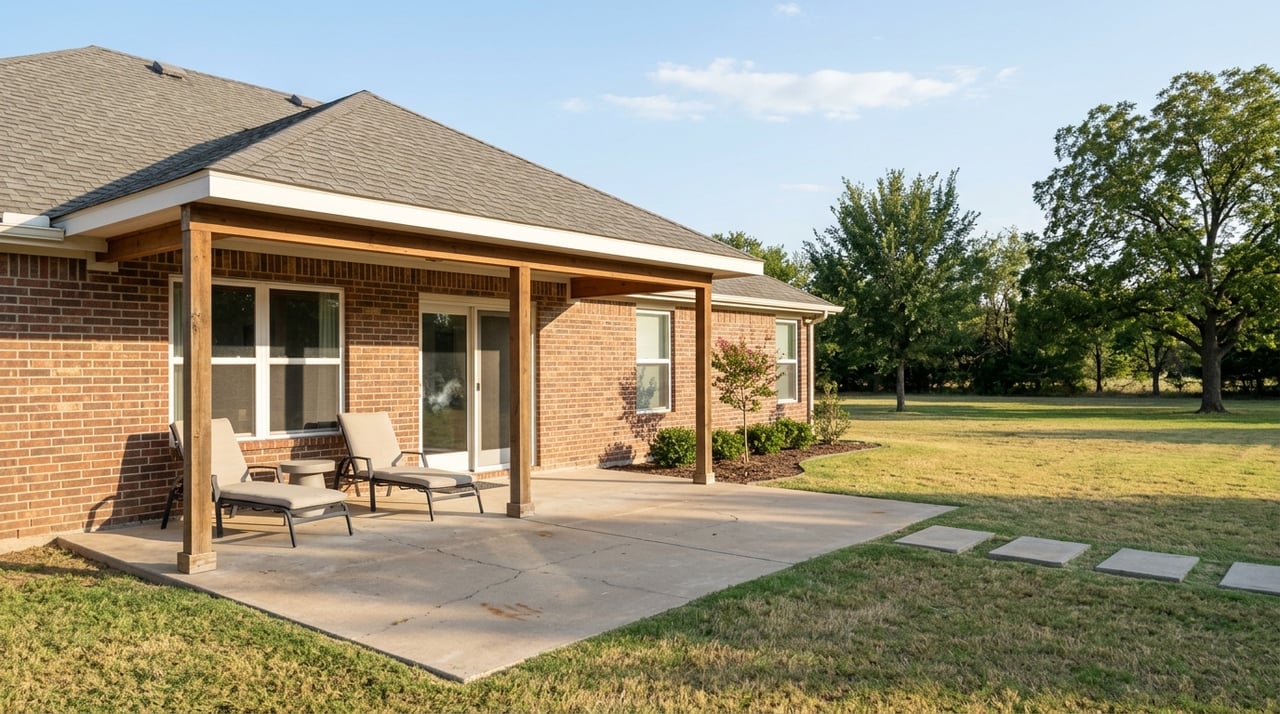
City planning documents say most housing units in Moore are single-family detached homes, with multi-family properties concentrated in only a few areas. In other words, the city is shaped more by detached-home neighborhoods than by apartment-heavy development.
Detached homes define the market
If you are shopping for space, yard use, and a layout that supports daily family routines, this housing pattern matters. Moore is best understood as a detached-home suburb with a mature owner-occupied base and some apartment pockets.
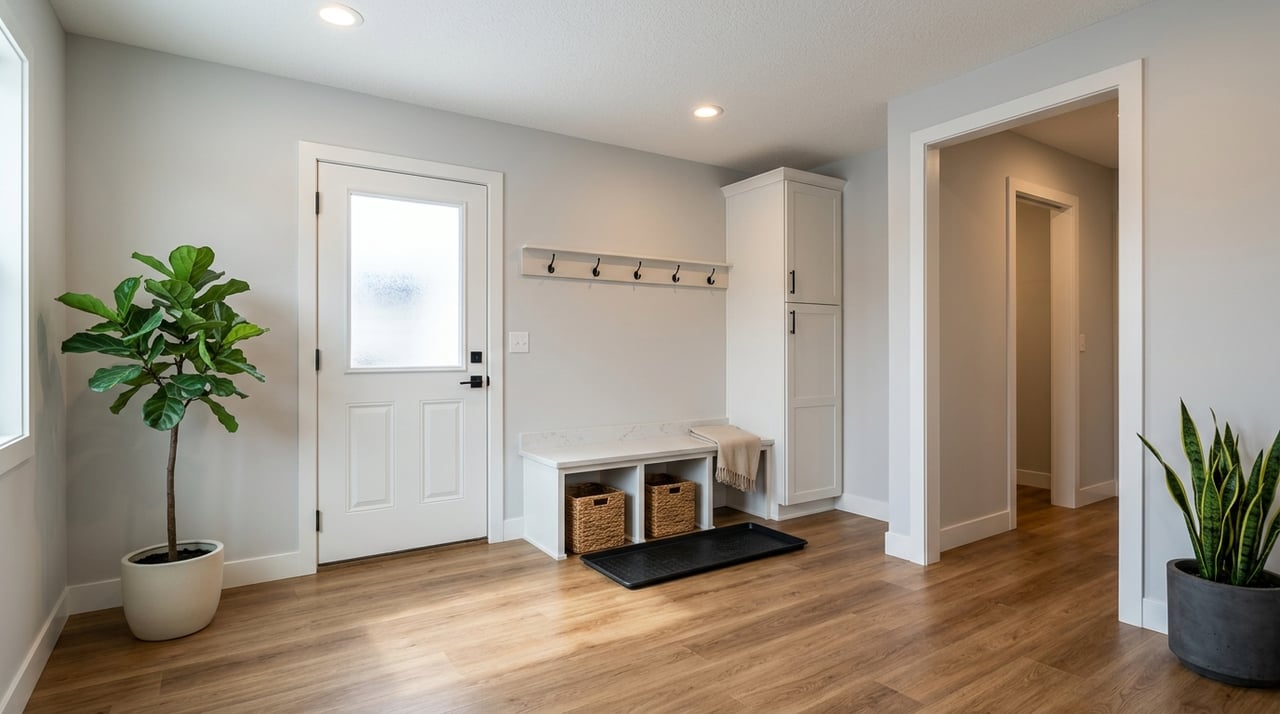
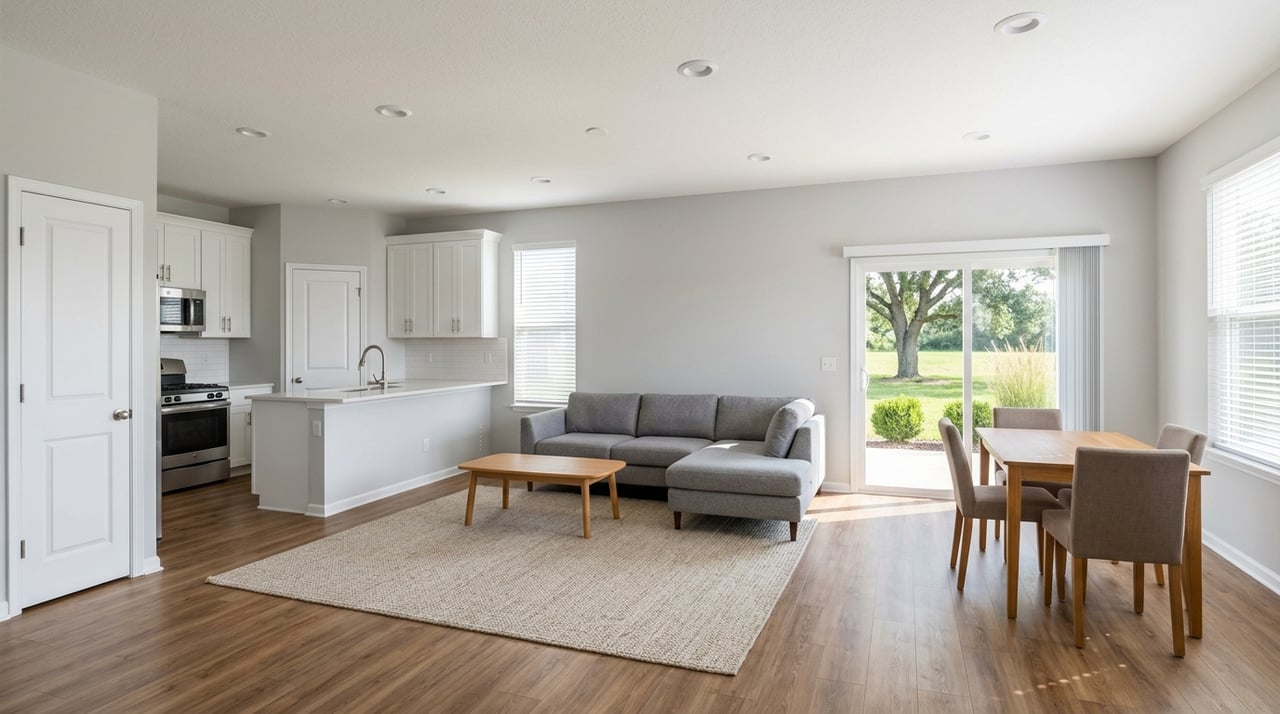
That suburban form often supports the kind of practical lifestyle many buyers want. Think garages, neighborhood streets, and homes that fit school, park, and commute rhythms.
Homeownership is a big part of Moore
Census QuickFacts list a median owner-occupied home value of $204,500. The same source reports median monthly owner costs of $1,552 with a mortgage and median gross rent of $1,340.
Those numbers help frame Moore as a homeowner-heavy market with a clear suburban identity. If you are comparing locations in the south metro, this gives you a useful starting point for thinking about cost, ownership patterns, and the type of housing you are most likely to find.
Why Moore works for busy families
When you put the pieces together, Moore’s appeal is pretty clear. It offers a car-oriented suburban routine built around I-35 access, practical retail corridors, established detached-home neighborhoods, and a parks system that helps weekday evenings and weekends feel more usable.
It is also a city with a substantial family presence. Census QuickFacts report a 2024 population of 63,845, and 24.8% of residents are under 18, which reinforces Moore’s role as a family-serving part of the metro.
That does not mean every household will want the same thing. But if your priority is a suburb where commuting, errands, recreation, and home life can fit together in a more efficient daily rhythm, Moore deserves a close look.
If you are weighing a move to Moore or thinking about how your current home fits your next season of life, talking through the numbers and neighborhood patterns can make the decision much easier. For local guidance with a disciplined, service-first approach, connect with Adam Hubregtse.
FAQs
What is daily commuting like in Moore, Oklahoma?
- Moore is a car-oriented suburb with I-35 as a major travel route, and Census QuickFacts report a mean commute time of 22.9 minutes.
What kinds of parks and recreation does Moore offer families?
- Moore offers more than 300 acres of park grounds, plus playgrounds, splashpads, neighborhood parks, a sports complex, a dog park, Central Park, and The Station recreation and aquatic facilities.
What is The Station at Central Park in Moore?
- The Station is a family recreation hub in Moore with a fitness area, basketball courts, an indoor walking track, community rooms, and a seasonal aquatic center with three pools.
Where do many everyday errands happen in Moore?
- A key everyday shopping area in Moore is the SW 19th Street corridor, which the city identifies as a critical retail and employment area with restaurants, retail, and service businesses.
What type of housing is common in Moore, Oklahoma?
- Moore is primarily a single-family detached-home market with a high owner-occupied share, while multi-family housing is concentrated in only a few parts of the city.